Skip to content

The fleet

Vehicles built for passengers, not drivers.

We buy Tesla robotaxis and deploy them onto Tesla's network. Where a specification isn't public, the honest answer is: determined by Tesla.

Rides are booked in the Tesla Robotaxi app. Tesla manages the trip.

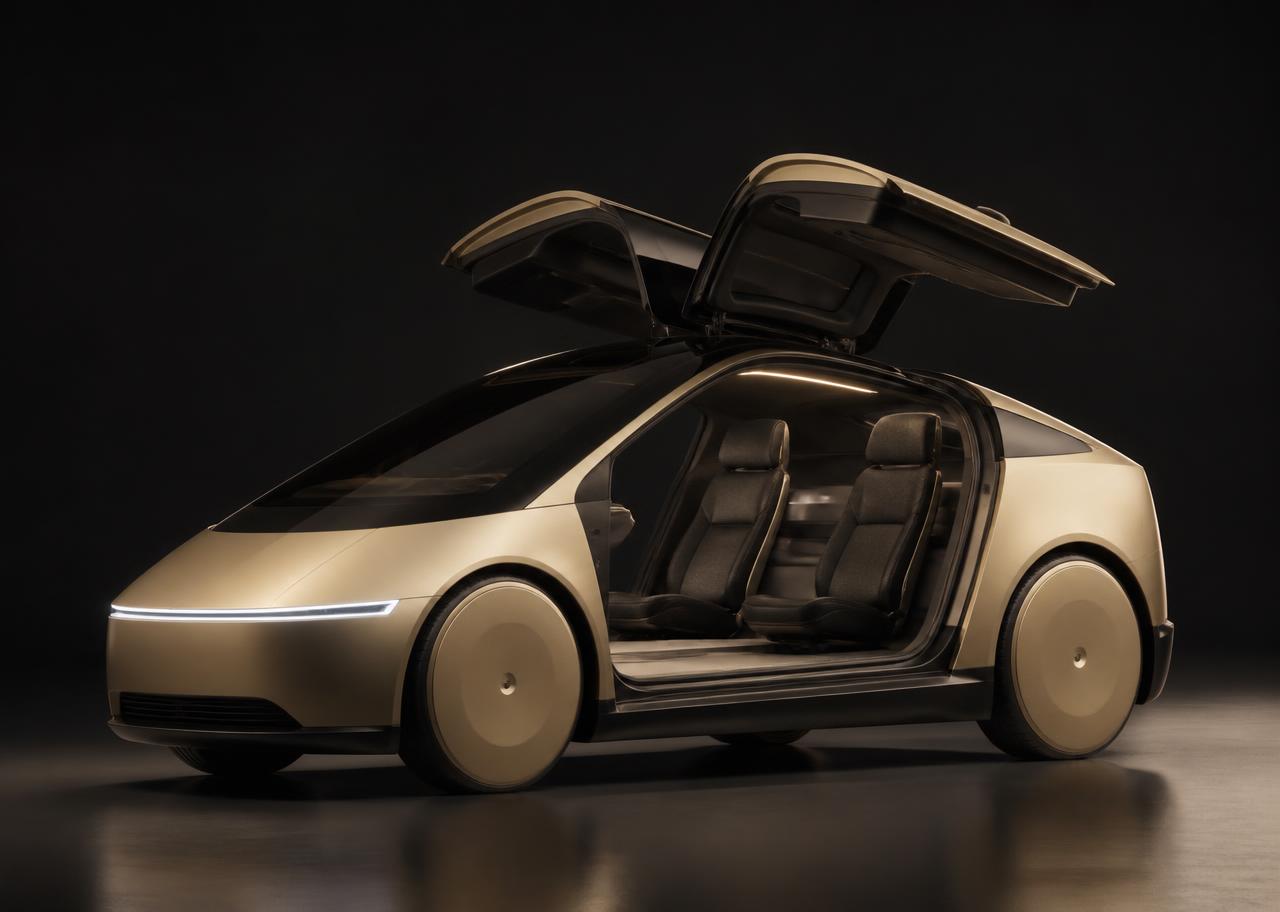
Gold two-seat autonomous robotaxi with gullwing doors open in a dark studio

Purpose-built

Tesla Cybercab

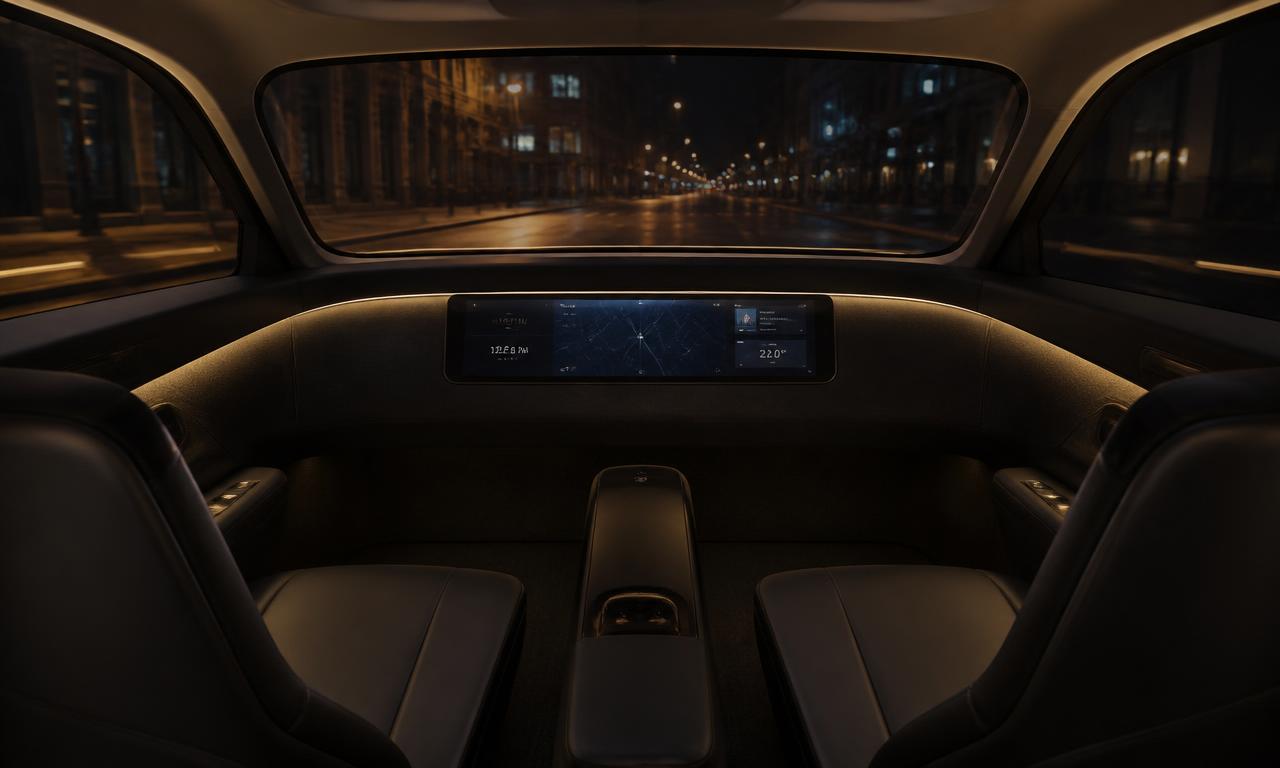
A compact urban robotaxi designed from scratch for autonomy. Two seats, no steering wheel, no pedals — nothing in the car assumes a human is driving.

  • Two-passenger cabin, front-row seating only.
  • Gullwing doors for tight curbside pickups.
  • Trunk space for bags, groceries, or a scooter.
  • Warm metallic design language, matched to our gold fleet identity.
  • Range, charging, and performance figures: determined by Tesla.
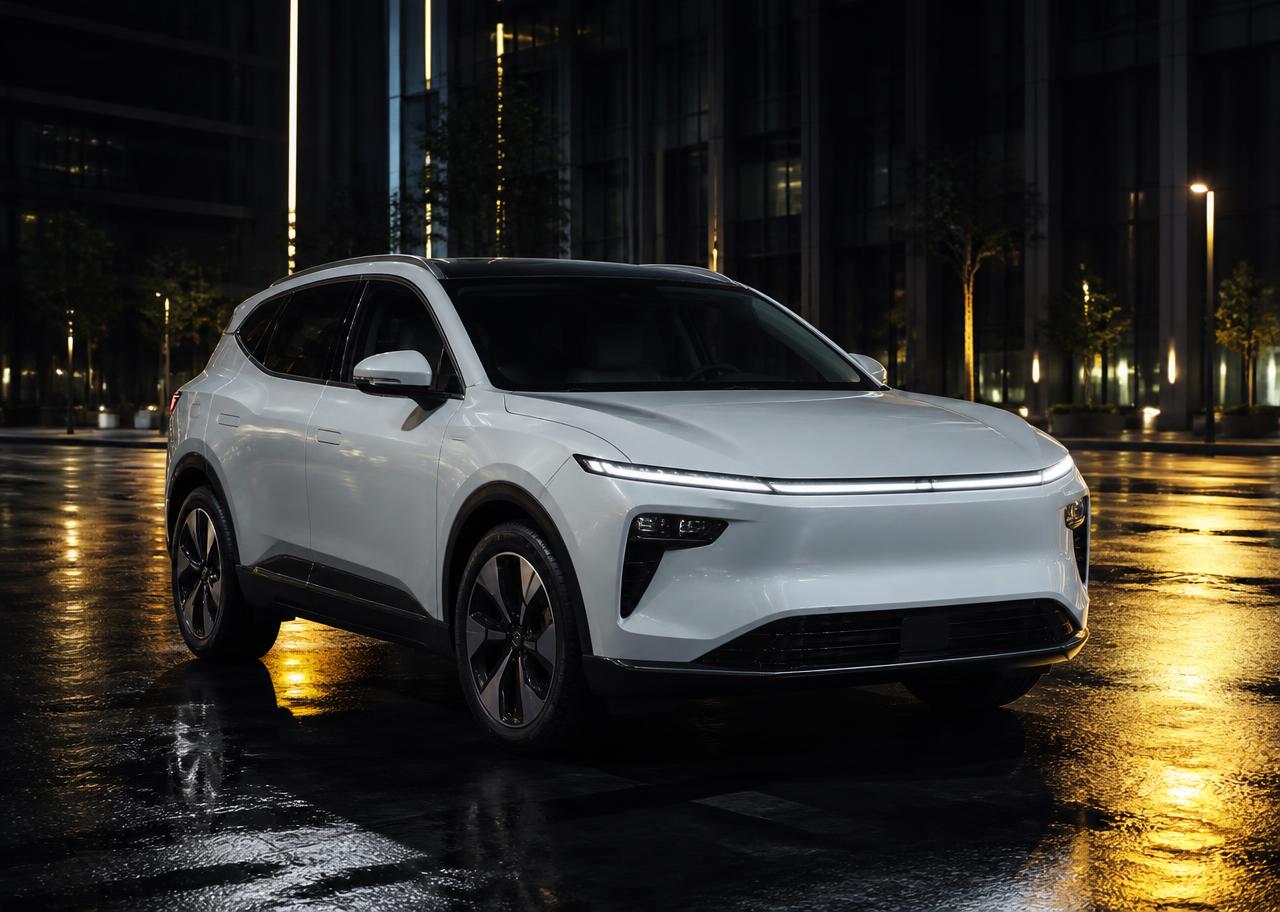
White electric crossover robotaxi at night on a wet city street

On the network today

Tesla Robotaxi vehicles

Tesla robotaxis already operating in Tesla's network, commonly Model Y-class. Supervised or unsupervised operation is Tesla's determination, city by city.

  • More seats and luggage room for everyday trips.
  • Familiar Tesla cabin and rear passenger screen.
  • Widest availability across live service areas.
  • Operating mode and service area: determined by Tesla.

Inside

What passengers can expect.

  • Fully electric, so no engine noise and no tailpipe.
  • Quiet cabins built for conversation or silence, your call.
  • App-based from start to finish, inside Tesla's Robotaxi app.
  • No driver up front during unsupervised robotaxi operation.
  • Tesla's safety stack operates the vehicle end to end.
  • Availability depends on Tesla's live network in your city.
Quiet autonomous vehicle cabin at night with two seats and a single center display